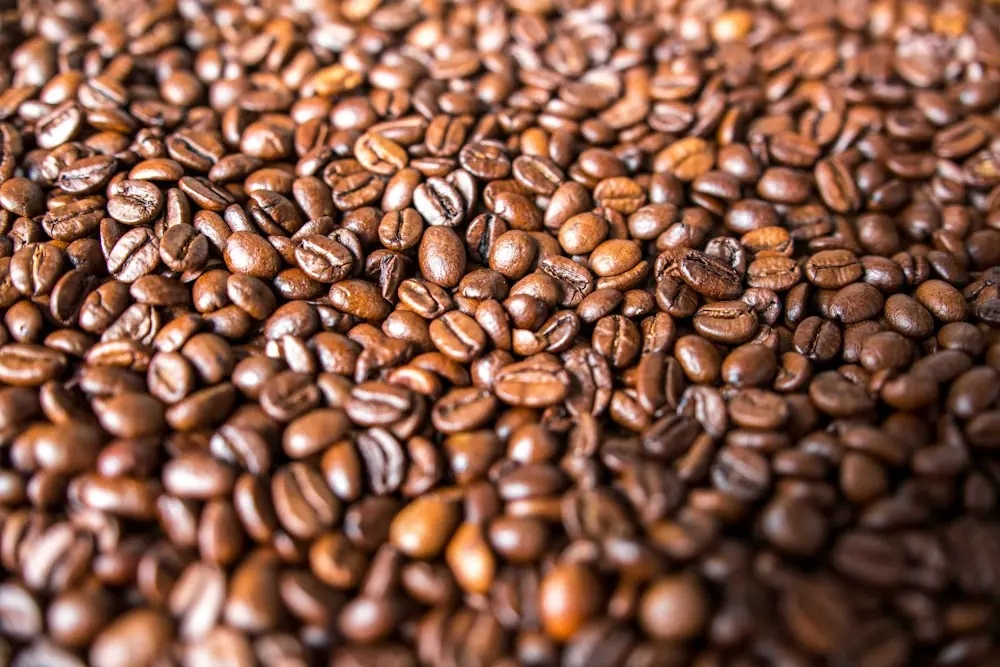
India offers buyers several distinct coffee propositions: washed Arabica, natural Arabica, washed and natural Robusta, and recognised speciality preparations. The strongest reason to source here is that range of origins and processing choices—not an assumption that every Indian coffee has the same flavour or quality.
Why consider India?
The Coffee Board describes Karnataka, Kerala and Tamil Nadu as traditional coffee-growing regions and identifies Arabica and Robusta as the two principal species. Its regional guide provides a useful starting point for discussing origin. Buyers can explore estate or regional lots alongside consistent commercial preparations, depending on the intended product.
Begin with your roasting or manufacturing objective. An espresso blender, filter-coffee roaster and soluble-coffee manufacturer will not assess a lot in the same way. Define the flavour target, permitted defects, delivery frequency and price basis. India is worth evaluating through comparative samples and landed-cost analysis; a country's reputation alone cannot tell you whether a particular lot will work in your recipe.
Species, processing and trade names
| Commercial type | What the name describes | Buyer questions |
|---|---|---|
| Plantation coffee | Washed Arabica in Indian trade terminology | Which grade, crop, origin, screen distribution and cup profile? |
| Arabica Cherry | Unwashed / dry-processed Arabica | How was the coffee dried and sorted? What defects and flavours are present? |
| Robusta Parchment | Washed Robusta | Which preparation, grade and sensory profile suit the intended blend? |
| Robusta Cherry | Unwashed / dry-processed Robusta | Specify defect allowances, moisture, foreign matter and cup acceptance. |
| Monsooned coffee | A specialised preparation distinct from ordinary green coffee | Confirm Arabica or Robusta, exact grade, processing lot and approved sample. |
These categories follow the Coffee Board's exporter and grade guide. “Cherry” here is a processing term for traded coffee; it does not mean fresh fruit is being shipped. Likewise, do not confuse species, cultivar, processing method and grade. Ask the supplier to identify each separately where relevant to the contract.
Speciality names and what to verify
The Board's speciality-coffee guide describes Monsooned Malabar AA, Mysore Nuggets Extra Bold and Robusta Kaapi Royale. Monsooning exposes prepared coffee to humid monsoon conditions under a controlled preparation process on India's west coast. Mysore Nuggets Extra Bold is a selected washed-Arabica preparation; Kaapi Royale is a selected Robusta preparation. These names should lead to a specific grade and lot, not just a marketing label.
For cultivars or estate selections, request the producer's records and sample information. Names such as S.795 or a particular selection do not remove the need for physical grading and cup assessment. Do not promise a fixed tasting note, caffeine content or speciality score unless it has been measured or assessed for the actual coffee being offered.
Understanding grades without over-reading them
Trade grades such as A, AB and PB describe defined preparations or physical categories within the applicable grading system. PB denotes peaberry. A letter grade is not a universal cup score, and the same letters should not be assumed to mean the same thing across all origins or processing types. Obtain the relevant grade specification rather than relying on a short invoice description.
- Identity: species, processing method, origin, crop year and lot code.
- Physical condition: moisture, screen distribution, defects, foreign matter and evidence of infestation.
- Sensory acceptance: approved reference sample, sample-roast method and a documented cupping procedure.
- Traceability: producer or sourcing records, curing/processing location and the relationship between sample and shipping lot.
- Commercial tolerance: decide what happens if the pre-shipment sample differs from the earlier approval sample.
Exporter registration and shipment documents
The Coffee Board describes exporter registration through its RCMC process and issuance of an export permit and ICO certificate of origin. Use its current exporter instructions for the application and post-shipment obligations. Verify the exporter’s applicable IEC, food-business licence and other activity-specific permissions. None of these registrations is proof that an individual lot meets your cup or contaminant specification.
The document pack should identify the same exporter, buyer, product, quantity and lot across the invoice, packing list and carrier document. Agree additional plant-health, analytical, origin and insurance documents for the destination and contract. Green beans, roasted coffee and soluble preparations may have different classifications and entry requirements; do not reuse the same HS code automatically.
Destination checks and optional certifications
For the United States, the importer should assess FDA import requirements, including applicable facility registration, prior notice and foreign-supplier verification, with any relevant exemptions. A facility registration is not FDA product approval.
For EU buyers, check food-safety limits and the EU deforestation regulation for the exact coffee product, operator category and applicable dates. Discuss traceability and geolocation information early instead of discovering missing farm data after the goods are packed. This article does not assert a single deadline for every business or processed product.
For Gulf and Asian markets, confirm importer eligibility, product registration where applicable, labels and the rules for the particular product form. If the buyer asks for organic or sustainability certification, verify the certifier, scope, validity and chain of custody. Shade-grown origin alone does not establish organic certification. A food-safety management certificate applies to its certified operation and scope, not automatically to every upstream supplier.
Packing, arrival and a useful enquiry
Agree the bag material, liner, net weight, marks and pallet requirements. Inspect containers for moisture, odours, damage and contamination; coffee should not inherit smells from unsuitable prior cargo or neighbouring goods. Choose moisture protection and transit arrangements with the supplier and logistics provider. Retain sealed reference samples and agree who evaluates a disputed arrival sample.
Send your species and processing preference, target grade, approximate volume, delivery schedule, destination, packaging and required certifications. If you are flexible, describe the application and send a target cup profile. Asking for two or three well-defined samples is usually more useful than requesting “the best coffee” without an intended use.
MAKE THE NEXT STEP SPECIFIC
Tell us what you need to source.
Share your product, quantity, destination and specification with our team in Bengaluru, Karnataka, INDIA.
Send a sourcing enquiryExplore the product catalogue