Fresh vegetable exports are a coordination task as much as a sourcing task. The buyer needs the correct crop, condition and pack at arrival—not simply attractive produce on the day of harvest. Start with destination eligibility, then build the harvest, packing and transport schedule around the required arrival quality.
Choosing an export programme
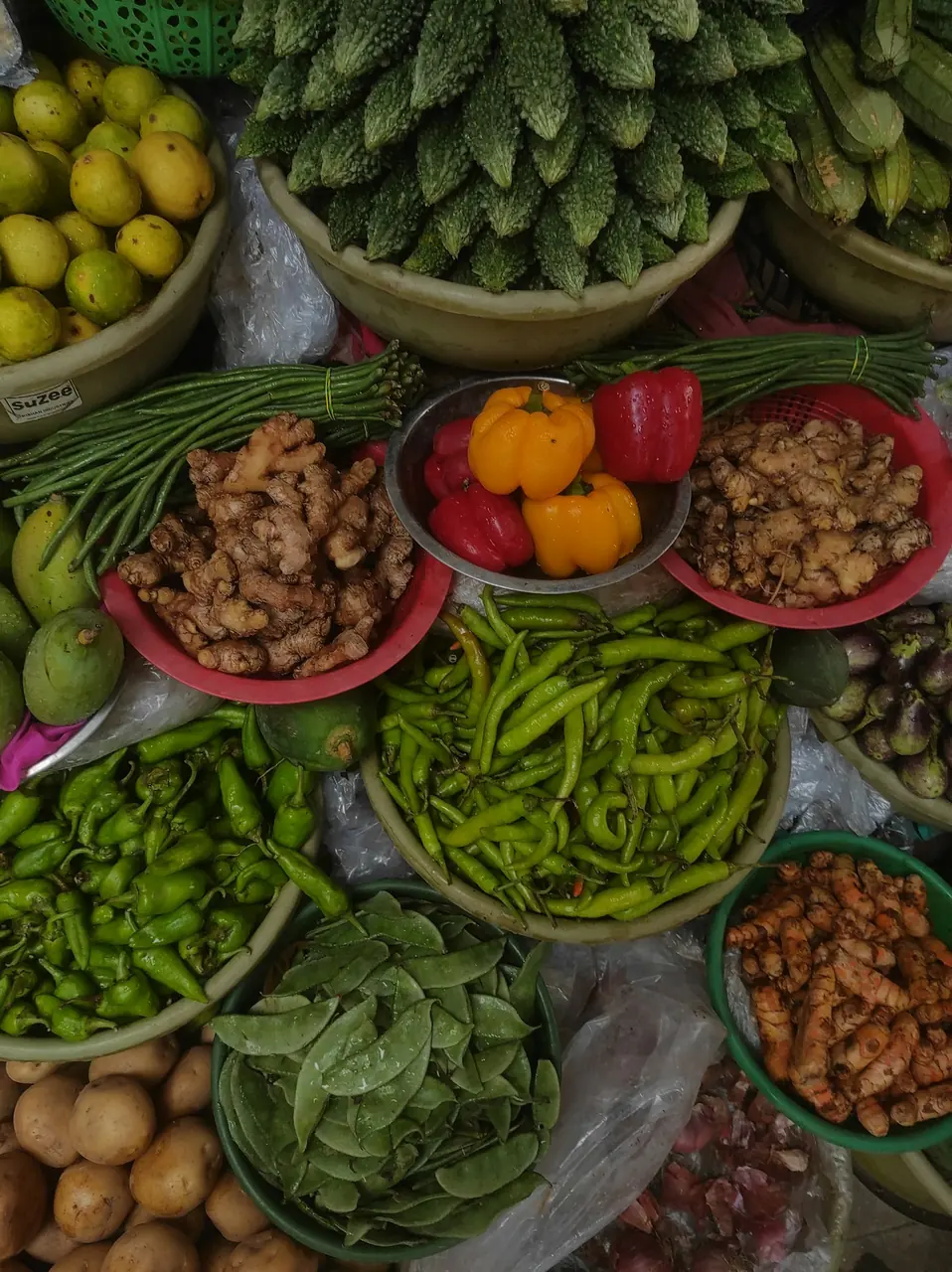
APEDA's fresh-produce overview identifies onions, mixed vegetables, potatoes, tomatoes and green chilli among important parts of India's vegetable export basket. Product availability is not the same as permission to enter a particular country. Each fresh commodity and origin combination must be checked separately.
Mayura's catalogue also covers requested lines such as drumsticks, okra and banana leaves. These should not be treated as interchangeable cargo. A mixed order needs a specification for each item and a compatibility review for temperature, ventilation, odour, packaging strength and shipment duration. One convenient consolidated container can be the wrong solution if the products need conflicting conditions.
A specification by product
| Product | Commercial details to define | Arrival checks |
|---|---|---|
| Green chilli | Cultivar or commercial type, length, colour, maturity, stems and pungency expectation | Firmness, shrivelling, decay, damage and colour change |
| Drumsticks / moringa pods | Length, diameter, tenderness, maturity and permitted curvature | Breakage, dehydration, tough or overmature pods and decay |
| Okra | Pod length, tenderness, colour and freedom from pest damage | Bruising, dehydration, decay and condition appropriate for the intended use |
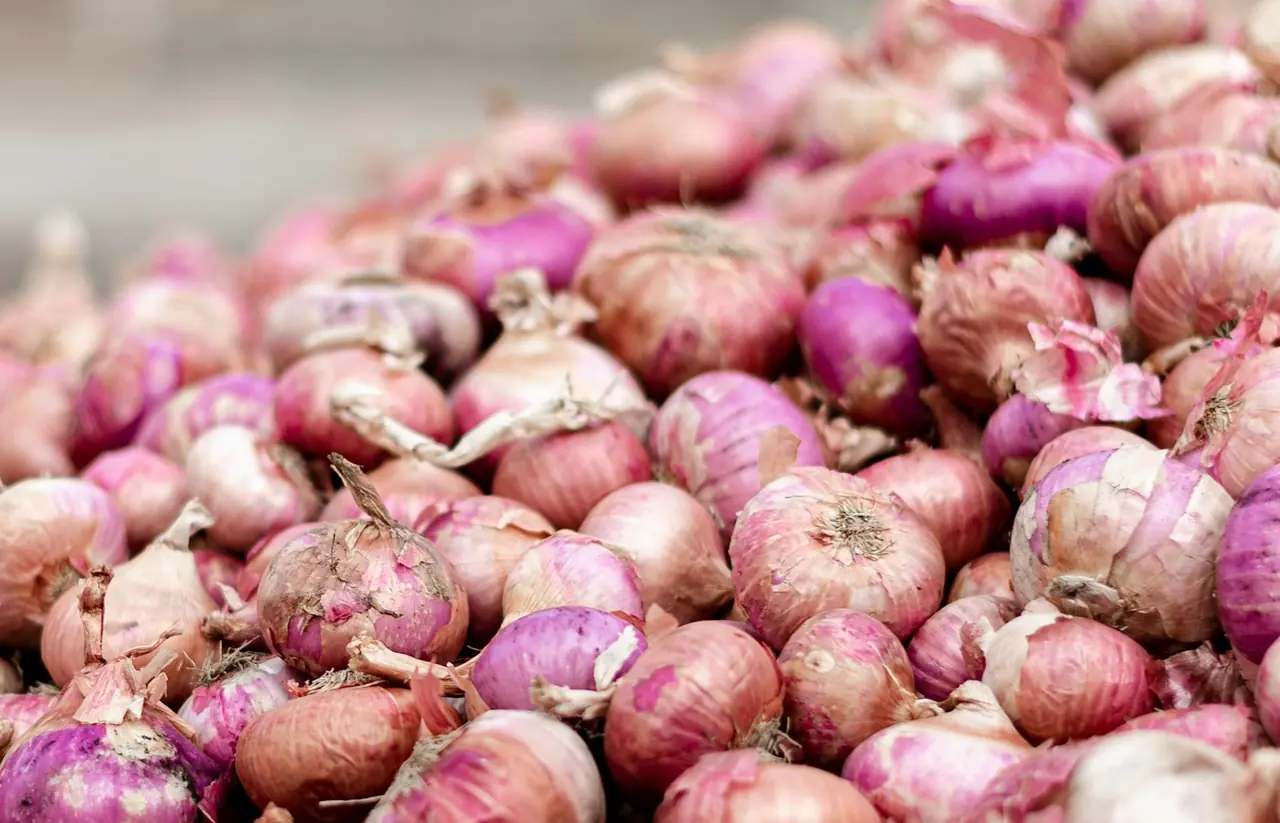
| Onions | Colour/type, diameter, curing, neck and skin condition | Sprouting, rot, splits and agreed size tolerances |
| Potatoes | Variety, diameter, intended cooking/processing use and soil cleanliness | Greening, sprouting, cuts, damage and decay |
| Banana leaves | Whole or cut format, dimensions, cleaning method and wrapping/serving use | Tears, discolouration, cleanliness, packing condition and identity |
Agree whether tolerances are counted by number or weight and how a sample is drawn. Specify the minimum useful remaining life at destination only when it is supported by the actual route and product programme. Do not infer it from a generic internet shelf-life table.
Farm, packhouse and lot traceability
Ask for the source area, harvest plan, lot identification and pesticide-use records where these are required for the programme. Establish how rejected produce is separated and how cleaned packing surfaces, water and handling equipment are controlled. Keep the harvest lot connected to the carton code and test report, even if goods move through several intermediaries.
APEDA's HortiNet supports certification and traceability for several horticultural commodities, including vegetables and onions. Confirm the applicable commodity and market procedure rather than assuming every export uses an identical workflow. Where a recognised packhouse or registered farm is required, verify the current approval and its scope before allocating stock.
Designing the cold chain
Map the full journey: harvest, field handling, packhouse, pre-cooling where appropriate, inland transport, terminal dwell time, flight or voyage, import inspection and final delivery. Select a product-specific temperature and ventilation programme with qualified produce and logistics specialists. Different vegetables have different chilling sensitivity and respiration behaviour; “keep everything as cold as possible” is not a valid mixed-load plan.
Ask how the agreed conditions will be measured. A container set point is not the same as the pulp temperature throughout a pallet. Plan sensor placement, loading pattern, airflow clearance and the response to delays. State who pays for additional storage or urgent re-routing and who can approve changes. Review total journey time, including weekends and inspection delays, instead of looking only at scheduled flight or sailing time.
Food safety and plant health
Destination pesticide limits apply to the relevant commodity and chemical. For EU programmes, use the European Commission's MRL guidance to frame the buyer's testing plan. A report that says “passed” without identifying the tested scope and applicable limits is not enough for an informed purchasing decision.
Plant-health checks address regulated pests and entry conditions. EU plant-health rules are separate from food-safety controls. Similarly, a phytosanitary certificate should not be described as a guarantee of every food-safety parameter. Treatments must follow the authorised destination protocol where one applies; do not request routine fumigation without confirming suitability and permission.
Country-by-country planning
Use the destination verification table in our onion guide as a directory of the relevant UAE, Saudi, EU, Chinese, Thai and Japanese authorities, then repeat the check for the actual vegetable. Do not transfer an onion approval to okra or green chilli. A country's approval for one Indian product does not establish general access for all Indian produce.
The importer should confirm permits, required additional declarations, any treatment protocol, approved facilities, entry points and document wording before the exporter schedules inspection. For a new market, build this confirmation into the order acceptance process. Farm assurance, organic and retailer audit schemes may add requirements beyond the law; describe them separately in the purchase specification.
Packing and the first trial shipment
Specify carton construction, ventilation, net weight, product orientation, protective materials and pallet height. Packaging should protect the produce without obstructing the planned airflow. Retail-ready labels may need different information from bulk transport marks. Approve artwork and a packed sample before the full run.
For a new supplier or route, use a commercially sensible trial with a documented arrival inspection. Record photographs, temperatures if monitored, weight and defect counts using the agreed sampling method. Send those findings back to the supplier so the next shipment can be adjusted. A disciplined feedback loop is more valuable than a vague promise that every consignment will look identical throughout the season.
MAKE THE NEXT STEP SPECIFIC
Tell us what you need to source.
Share your product, quantity, destination and specification with our team in Bengaluru, Karnataka, INDIA.
Send a sourcing enquiryExplore the product catalogue